Which Evolutionary Changes in the Genome Led to the Development of the Large-Sized Human Brain?

During the evolution of primates their brain size, and specifically the size of their cerebral cortex where the higher cognitive functions are located, expanded. Stem cells in the human brain go through a higher number of cell divisions and thus produce a higher number of neurons then do stem cells in the brains of apes. The research presented in this video investigates which evolutionary changes in the genome caused this increase in cell division. WIELAND HUTTNER describes how the research group isolated the relevant human-specific stem cells and, using a new method devised by the group, studied which genes were particularly highly expressed in those cells. The gene with the highest specificity of expression, AHRGAP11B, was introduced in mouse embryos. The results indicate that this gene is indeed responsible for an increase in cell division. Furthermore, in about half of the mouse embryos, the brain started to fold – a feature that is particularly prominent in species with enlarged brains.

DOI:

https://doi.org/10.21036/LTPUB10360

Researcher

Wieland B. Huttner is Director at the Max Planck Institute of Molecular Cell Biology and Genetics in Dresden and Honorary Professor of Neurobiology at Technische Universität Dresden, Germany. He is also the speaker of the International Max Planck Research School IMPRS-CellDevoSys. Having an educational background in medicine Huttner’s scientific career has been focused on how the brain works. His research interests include developmental neurobiology and the evolution of the neocortex. Huttner is an elected member of the German National Academy of Sciences Leopoldina and the European Molecular Biology Organization (EMBO). He also served on the German Council of Science and Humanities from 2004 until 2010.
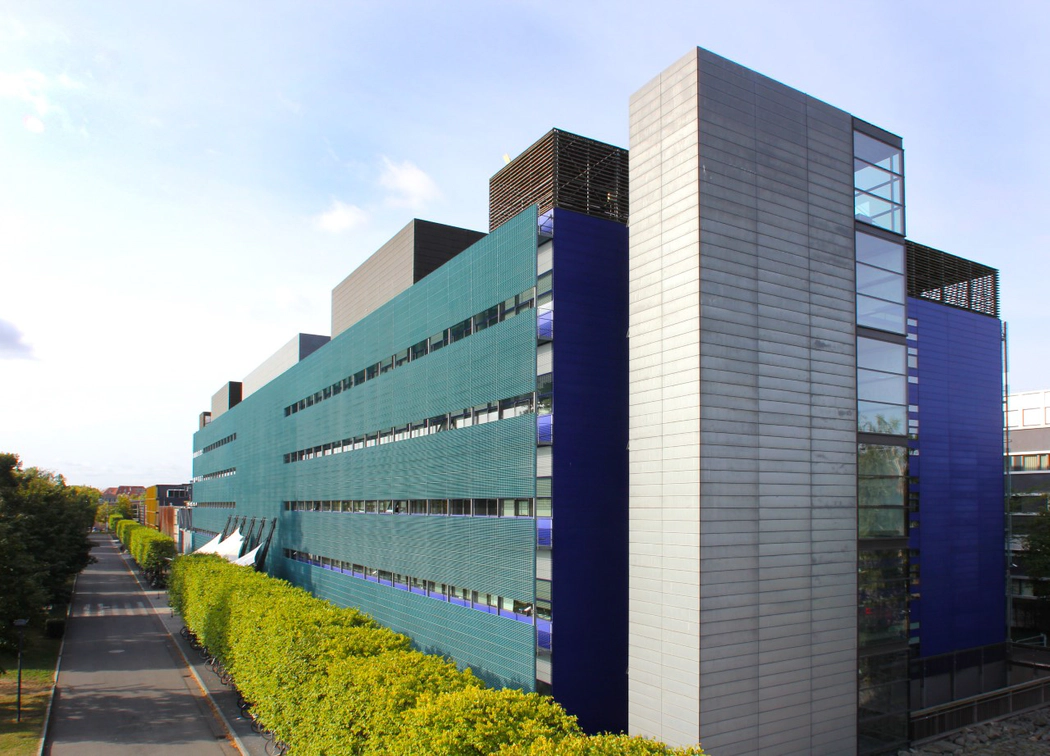
Max Planck Institute of Molecular Cell Biology and Genetics

Max Planck Institute of Molecular Cell Biology and Genetics: The Max Planck Institute of Molecular Cell Biology and Genetics (MPI-CBG), located in Dresden, was founded in 1998 and is one of more than 80 institutes of the Max Planck Society, an independent, non-profit organization in Germany. 550 curiosity-driven scientists from over 50 countries ask: How do cells form tissues? To study this pivotal process, we investigate the molecular principles underlying cellular function and tissue morphogenesis. Our basic research programs span multiple scales of magnitude, from molecular assemblies to organelles, cells, tissues, organs, and organisms. A key part of the MPI-CBG’s research strategy is to provide all researchers with state-of-the-art instrumentation and technology, assisted by experienced central scientific services and facilities. These facilities are also involved in the development and optimization of new technologies tailored to specific research projects. All PhD students at MPI-CBG are members of our International Max Planck Research School for Cell, Developmental and Systems Biology (IMPRS-CellDevoSys). Degrees are awarded in partnership with the TU Dresden, one of Germany’s excellence universities. www.mpi-cbg.de

Max Planck Institute of Molecular Cell Biology and Genetics

Original Publication

Human-Specific Gene ARHGAP11B Promotes Basal Progenitor Amplification and Neocortex Expansion

Marta Florio

,

Mareike Albert

,

Elena Taverna

,

Takashi Namba

,

Holger Brandl

,

Published in 2015