How Does Tourism Change People and Places?

The classic image that tourists and travelers should only leave footprints and take photos is put into question by CARSTEN WERGINs academic investigation of how tourism has changed the world. In this video, he describes his interest in the question of how tourism impacts on particular places and people. In his field studies and during participant observations he has found that tourism is not only a global industry, it also actively changes the world on various levels, for example in regards to perceptions of the environment or approaches to heritage at tourist destinations. This suggests that tourism should not merely be considered a global industry but rather a globe-making activity.
DOI:
https://doi.org/10.21036/LTPUB10510Researcher
Carsten Wergin is Head of a Research Group at Heidelberg University's research area 'Transcultural Studies' (funded by the German Excellence Initiative). Previous positions include that of Marie Skłodowska-Curie Fellow at the Social Policy Research Centre at the University of New South Wales (UNSW), Sydney. He is a founding member of the Environmental Anthropology Working Group of the German Anthropological Association (GAA), and Deputy Chair of the German Association for Australian Studies (GASt). His research focuses, among other topics, on socio-ecological transformations triggered by tourism, heritage and the resources sector. It is based on extensive ethnographic fieldwork conducted in the Indian Ocean World, the European Ultra-Periphery, the Mascarene Islands and Northwest Australia.
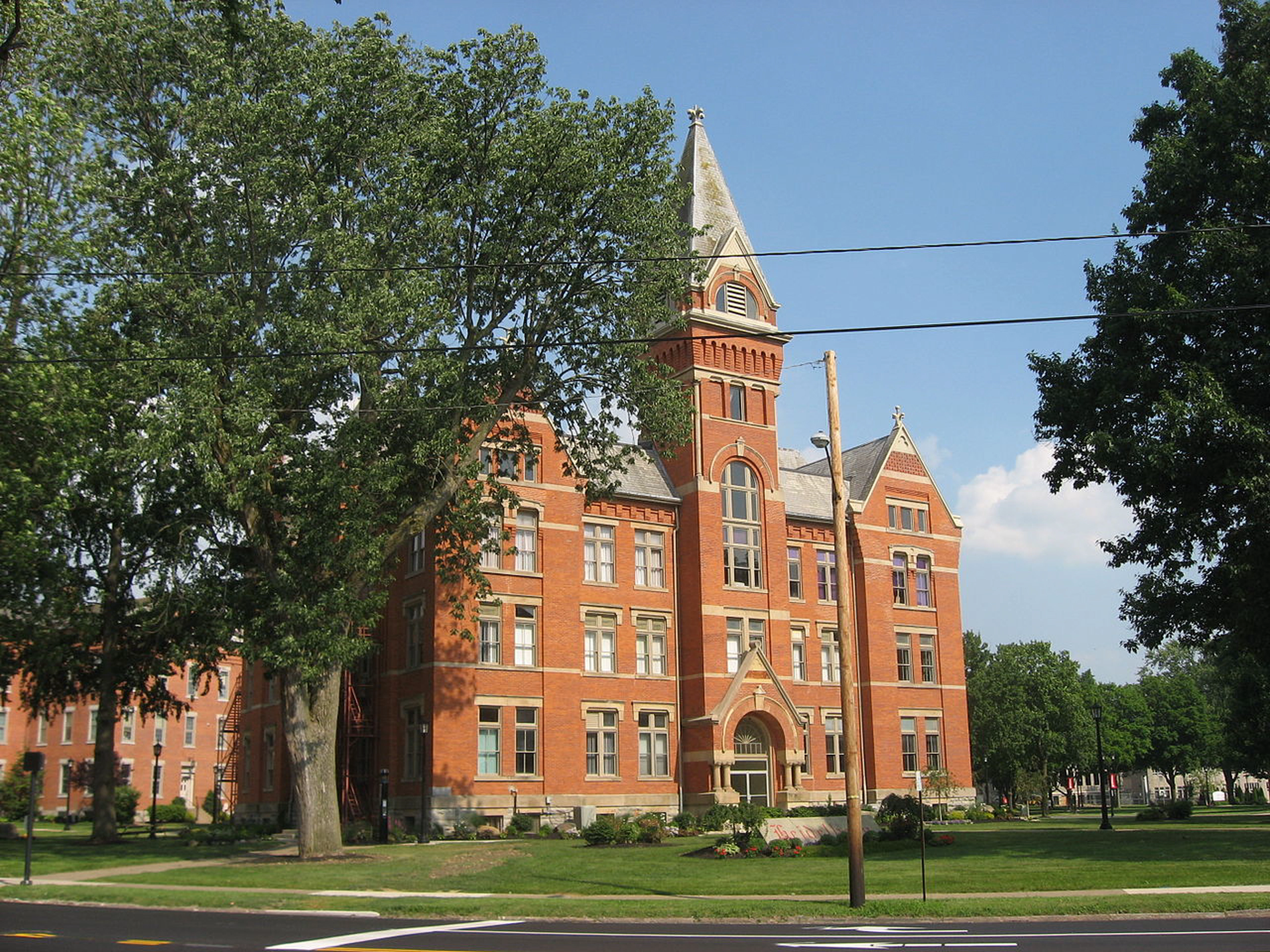
Heidelberg University (Ruprecht-Karls-Universität Heidelberg)
"Heidelberg University, founded in 1386, is Germany’s oldest university and one of the strongest research universities in all of Europe. The successes in both rounds of the Excellence Initiative and in internationally recognised rankings prove that Heidelberg’s excellent reputation and leading role in the scientific community are well deserved. In terms of educating students and promoting promising early-career academics, Heidelberg relies on research-based teaching and an outstanding, well-structured training for doctoral candidates. Heidelberg University is a comprehensive university, offering the full spectrum of disciplines in the humanities, law and the social sciences alongside the natural and life sciences, including medicine. As a comprehensive university, Heidelberg aims to continue to strengthen the individual disciplines and to further interdisciplinary cooperation, as well as to carry research results over into society and industry. With its aspiration of connecting traditional values with future-oriented scientific concepts in research and teaching, the university is building bridges to the future – Zukunft. Seit 1386." ( Source )

Original Publication
Travelling the Mascarenes: Creoleness in Tourism Policies and Practices on La Réunion, Mauritius and Rodrigues
Published in 2016
Intensifying the Tourist Experience: ‘Survenirs’ at Daly Waters Pub
Stephen Muecke
,Carsten Wergin
Published in 2014
Questions of Value: Tourism and the Resources Boom
'Three Days Awake': Cultural Urbanism at a Popular Music Festival Outside the City
Carsten Wergin
Published in 2013
Reconstructing Biodiversity for Tourism Development: Ethnographic Accounts from a World Heritage Site in the Making
Published in 2016