How Does The Recycling Process Within Eukaryotic Cells Work on a Molecular Level?

The research presented in the video investigates how endosomes are able to transport material back to the cell surface in a process called recycling or endosomal exocytosis. In order to do so, endosomes have to have their own identity which is defined by a phosphoinositide, Phosphatidylinositol 3-phosphate (PI3P). To deliver the material to the cell surface the endosomes have to get rid of their old PI3P identity and acquire a new identity that is characteristic of the plasma membrane such as PI4-phosphate (PI4P). VOLKER HAUCKE explains that understanding how this conversion of phosphoitnositide identities occurs is important to understand communication within a cell and how it may be related to diseases.
DOI:
https://doi.org/10.21036/LTPUB10330Researcher
Volker Haucke is Director of the Leibnitz Institute for Molecular Pharmacology, Professor of Molecular Pharmacology at the Free University Berlin as well as a faculty member of the Charité University for Medicine Berlin. In 2003, he received the Young Investigator Award of the European Molecular Biology Organization, where he also became an Elected Member in 2014. Haucke‘s research revolves around the molecular mechanisms of exo-endocytosis and endolyososomal membrane dynamics and its role in cell signaling, especially in the nervous system. This also involves using the new-found insights to develop treatments for diseases linked to these processes.
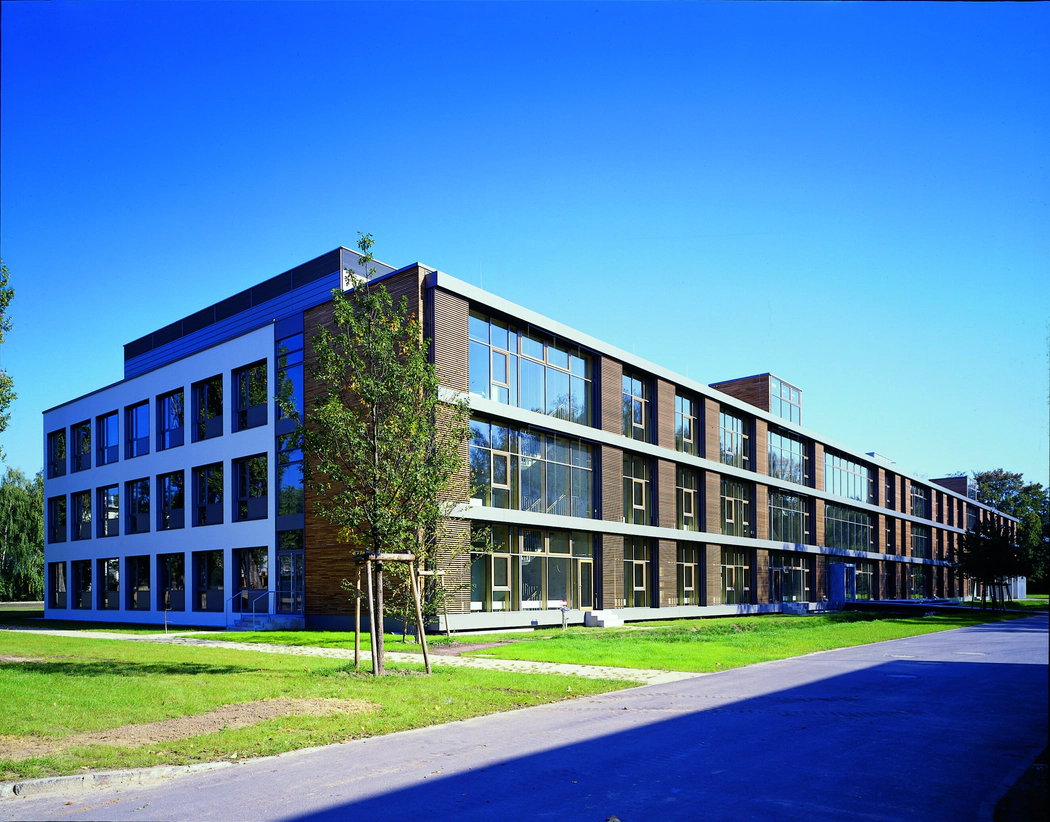
Leibniz Institute for Molecular Pharmacology (FMP)
The FMP conducts basic research in Molecular Pharmacology with the aim to identify novel bioactive molecules and to characterize their interactions with their biological targets in cells or organisms. These compounds are useful tools in basic biomedical research and may be further developed for the treatment, prevention, or diagnosis of disease. To this aim FMP researchers study key biological processes and corresponding diseases, such as cancer, aging including osteoporosis, or neurodegeneration. They also develop and apply advanced technologies ranging from screening technologies over NMR based methods to proteomics and in vivo models. (Source: FMP)

Original Publication
A Phosphoinositide Conversion Mechanism for Exit from Endosomes
Katharina Ketel
,M. Krauß
,Anne‐Sophie Nicot
,Dmytro Puchkov
,Marnix Wieffer
,Published in 2016