How Does Risk Perception Change over the Course of Communication Chains?

Risk perception is not only an individual but also a social phenomenon. The experiment presented in this video examines the development of perceived risk over the course of a communication chain: The first person got a balanced overview on a chemical and its risks then information was passed on from person to person. WOLFGANG GAISSMAIER elaborates how this set up led to an amplification of risk perception and the distortion of facts and explains how the makeup of the group affects the final attitudes towards the risk in question.

DOI:

https://doi.org/10.21036/LTPUB10123

Researcher

Wolfgang Gaissmaier is a Professor of Psychology at the University of Konstanz at the Department of Psychology, Social Psychology and Decision Research and an adjunct researcher at the Center for Adaptive Behavior and Cognition of the Max Planck Institute for Human Development in Berlin, Germany. His areas of interest include risk perception and communication as well as judgment and decision making. He has received the Otto Hahn Medal for outstanding scientific achievements from the Max Planck Society and the Rising Star designation from the Association of Psychological Science. In 2012, Gaissmaier was elected into the Young Academy of Sciences of Germany.
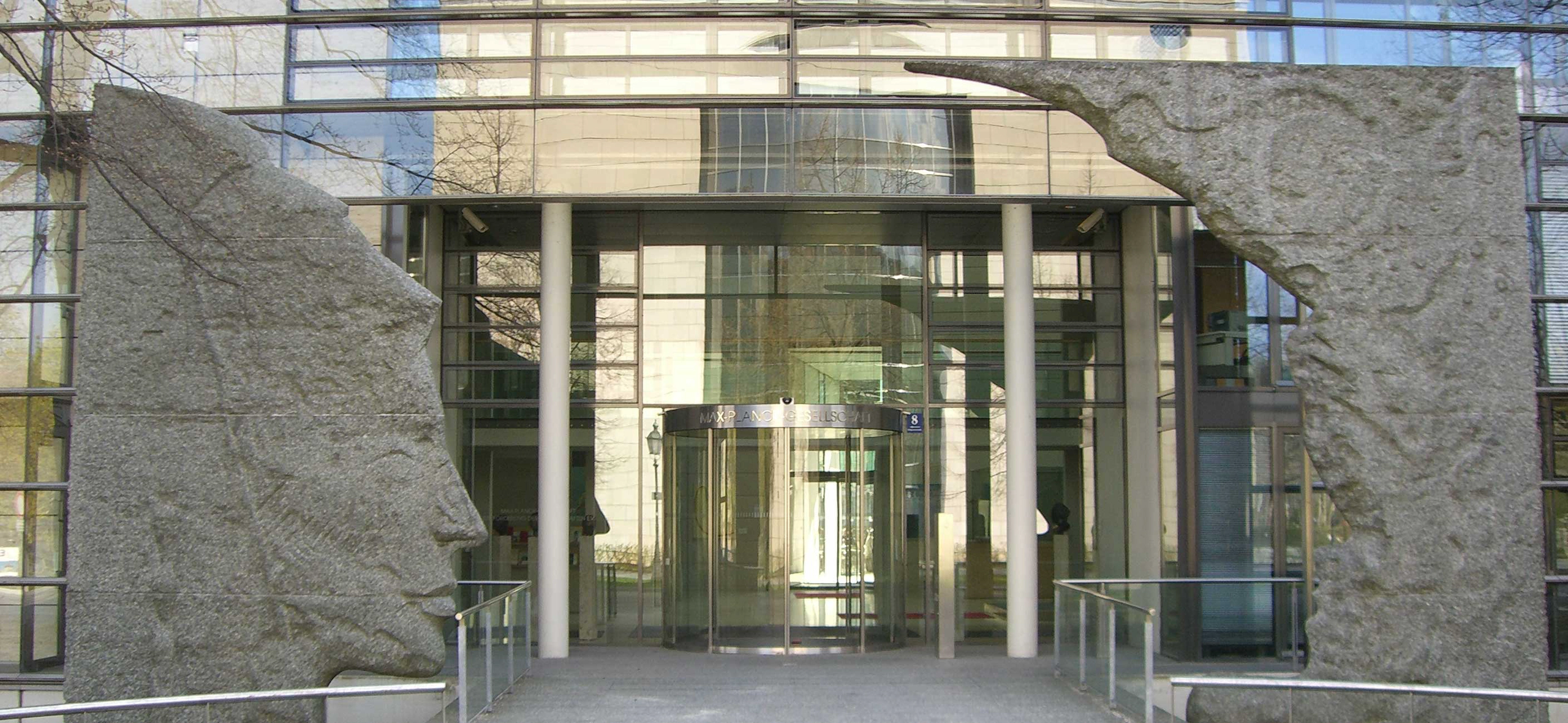
Max Planck Society

"The Max Planck Society is Germany's most successful research organization. Since its establishment in 1948, no fewer than 18 Nobel laureates have emerged from the ranks of its scientists, putting it on a par with the best and most prestigious research institutions worldwide. The more than 15,000 publications each year in internationally renowned scientific journals are proof of the outstanding research work conducted at Max Planck Institutes – and many of those articles are among the most-cited publications in the relevant field." ( Source )

Max Planck Society

Original Publication

The Amplification of Risk in Experimental Diffusion Chains

Mehdi Moussaïd

,

Henry Brighton

,

Wolfgang Gaissmaier

Published in 2015