Does Going For a Walk In a Natural Environment Reduce Stress?

DOI:
https://doi.org/10.21036/LTPUB101089Researcher
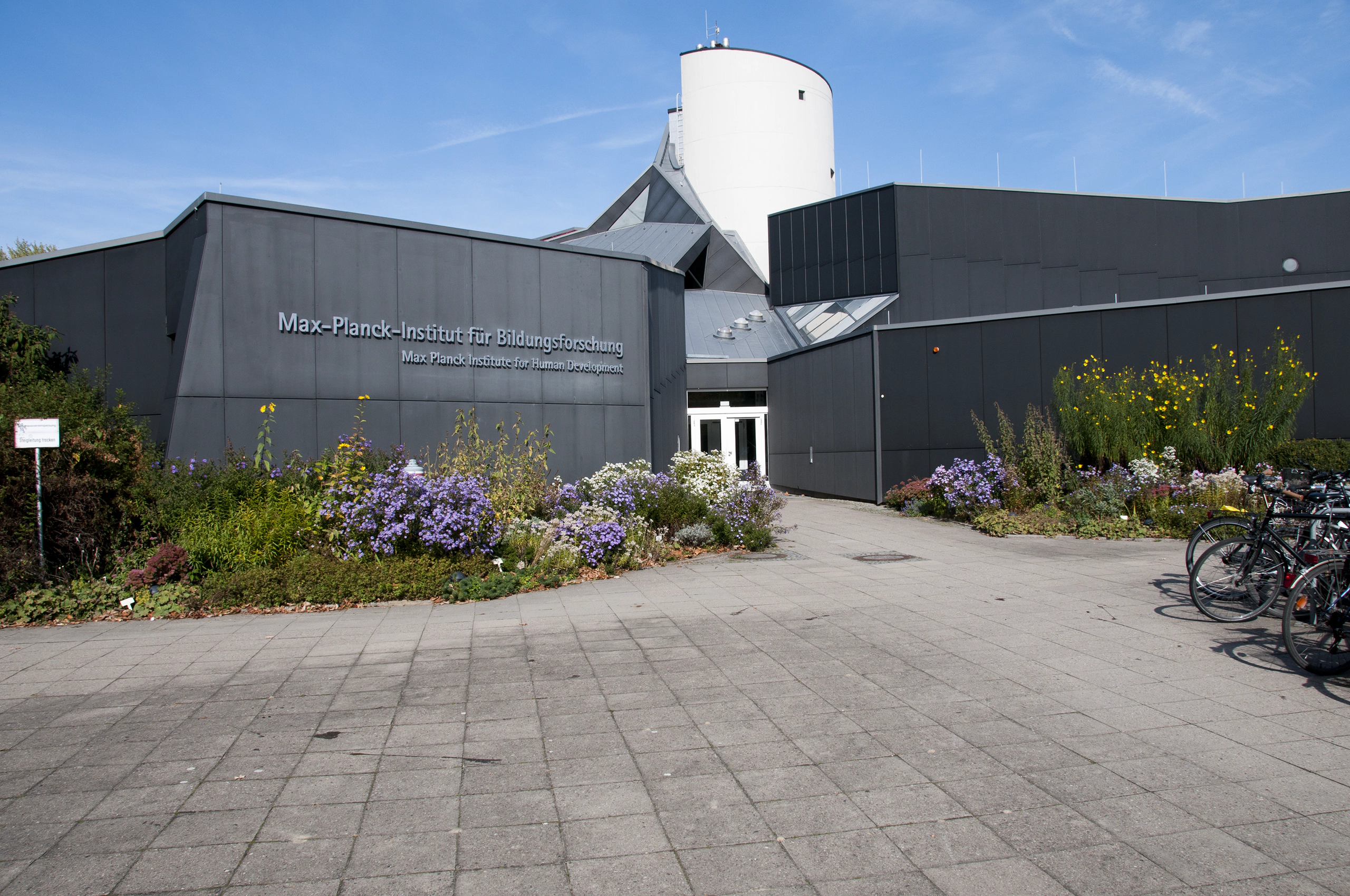
Sonja Sudimac is a pre-doctoral fellow in the Max Planck Institute for Human Development in Berlin, where she works in the Lise Meitner Group for Environmental Neuroscience and the International Max Planck Research School on the Life Course (LIFE). Completing previous studies at the Technical University of Kaiserslautern and at the University of Belgrade, Sudimac's research focuses on the neural mechanisms that underlie stress, emotions and cognitive processes in urban and natural environments. Sudimac’s work has been published in journals including Molecular Psychiatry, Frontiers in Psychology and the International Journal of Environmental Research and Public Health.
Original Publication
How nature nurtures: Amygdala activity decreases as the result of a one-hour walk in nature
Sonja Sudimac
,Vera Sale
,Simone Kühn
Published in 2022